
How to Choose Coffee at Black Bag
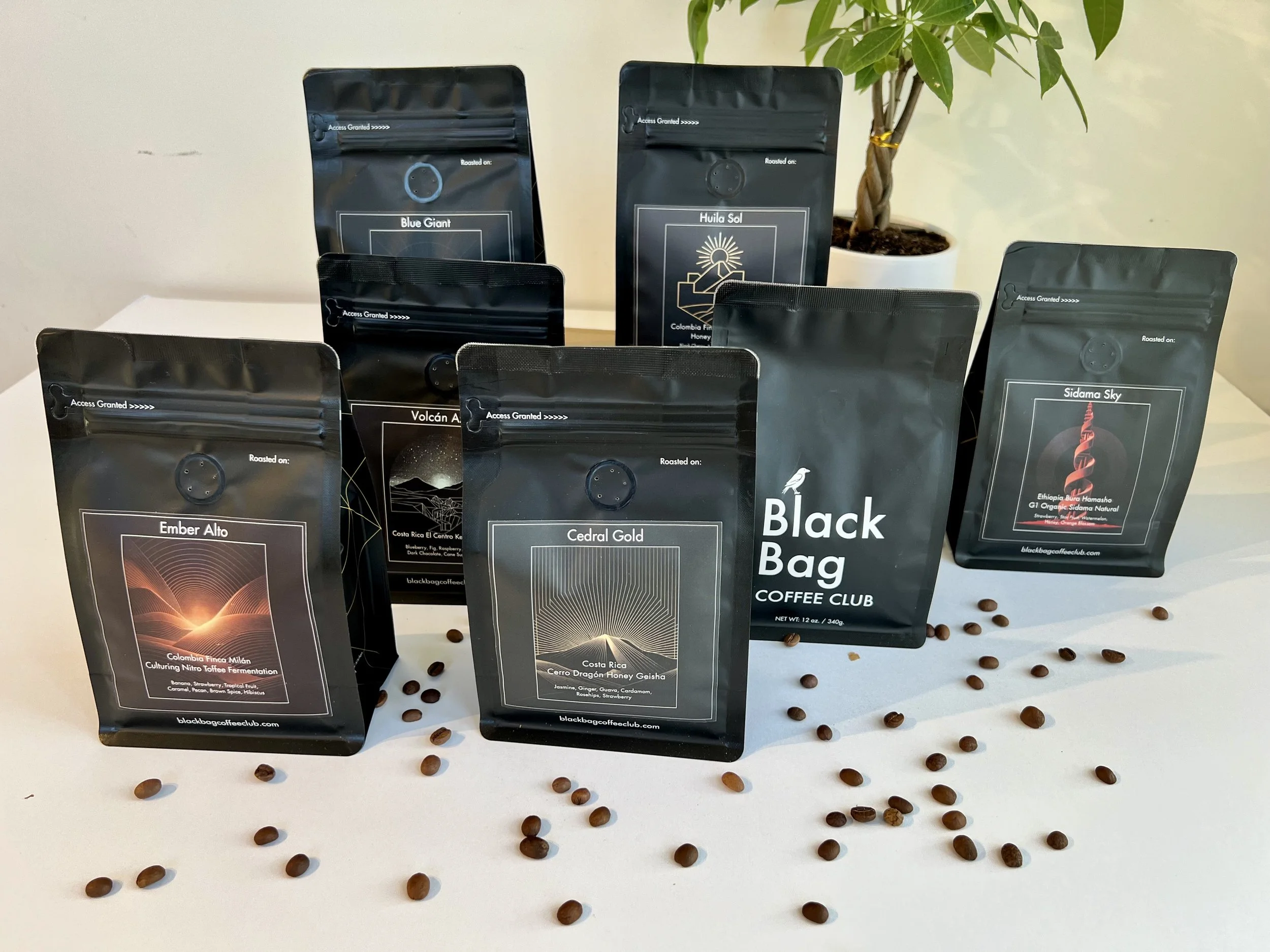
If you don’t recognize every origin, process, or tasting note, that’s normal.
This guide is here to help you choose with confidence.

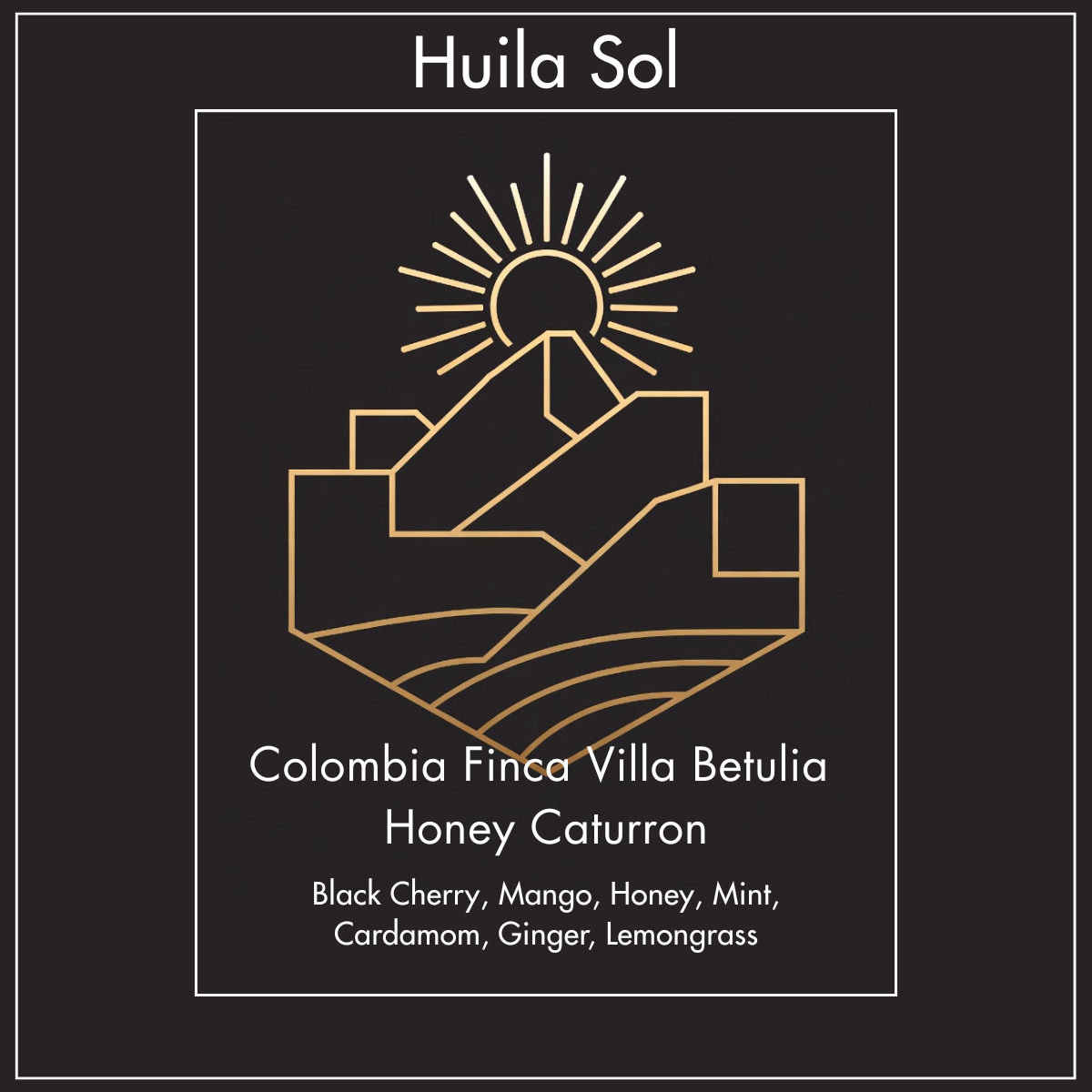
how to read tasting notes
Tasting notes are not ingredients. They’re reference points.
You don’t need to taste “bergamot” to enjoy a coffee described that way.
Three simple ways to read them:
Chocolate / nutty → round, familiar, comforting.
Fruit-forward → brighter, more lively.
Floral / tea-like → lighter, more delicate.
What origin tells you
Origin offers a general sense of style, not a guarantee.
Two coffees from the same country can taste completely different.
Three general truths:
Latin America → balance and clarity.
East Africa → brightness and fruit.
Indonesia → depth and body.

Process refers to how the coffee is prepared after harvest.
It has a strong influence on flavor, often more than origin alone.
Three common processes:
Washed → clean, clear, structured.
Honey → rounder, sweeter, more expressive.
Natural → fruit-forward, fuller, sometimes wild.
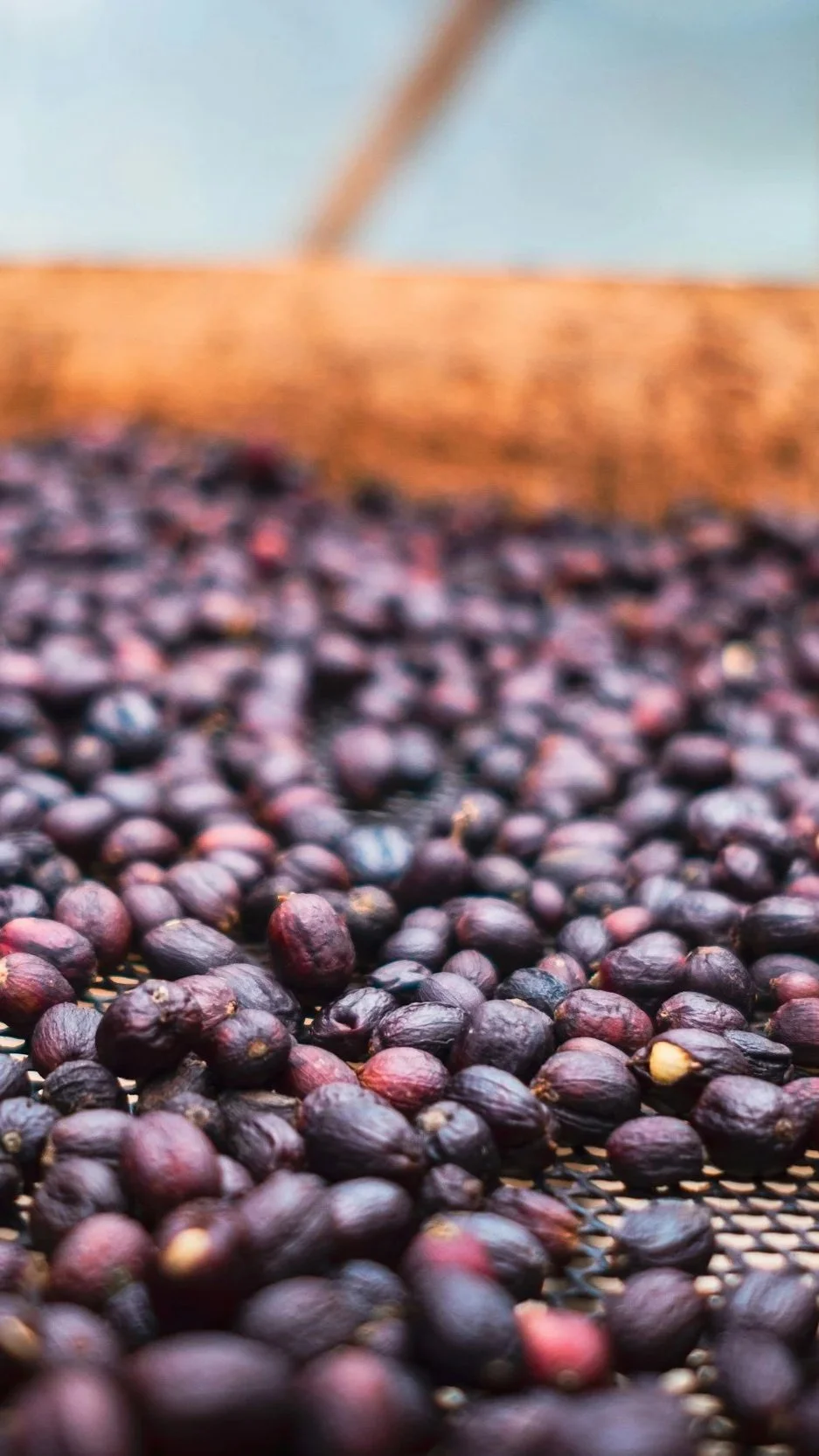
What Process Means
You may also see experimental terms like fermented or anaerobic.
These describe controlled techniques used to influence flavor, not spoilage or guesswork. When done well, they can add intensity, aroma, or unusual character. When done poorly, we don’t release them.
If you’re curious, they can be exciting. If you’re not, they’re easy to avoid.
Roast Level
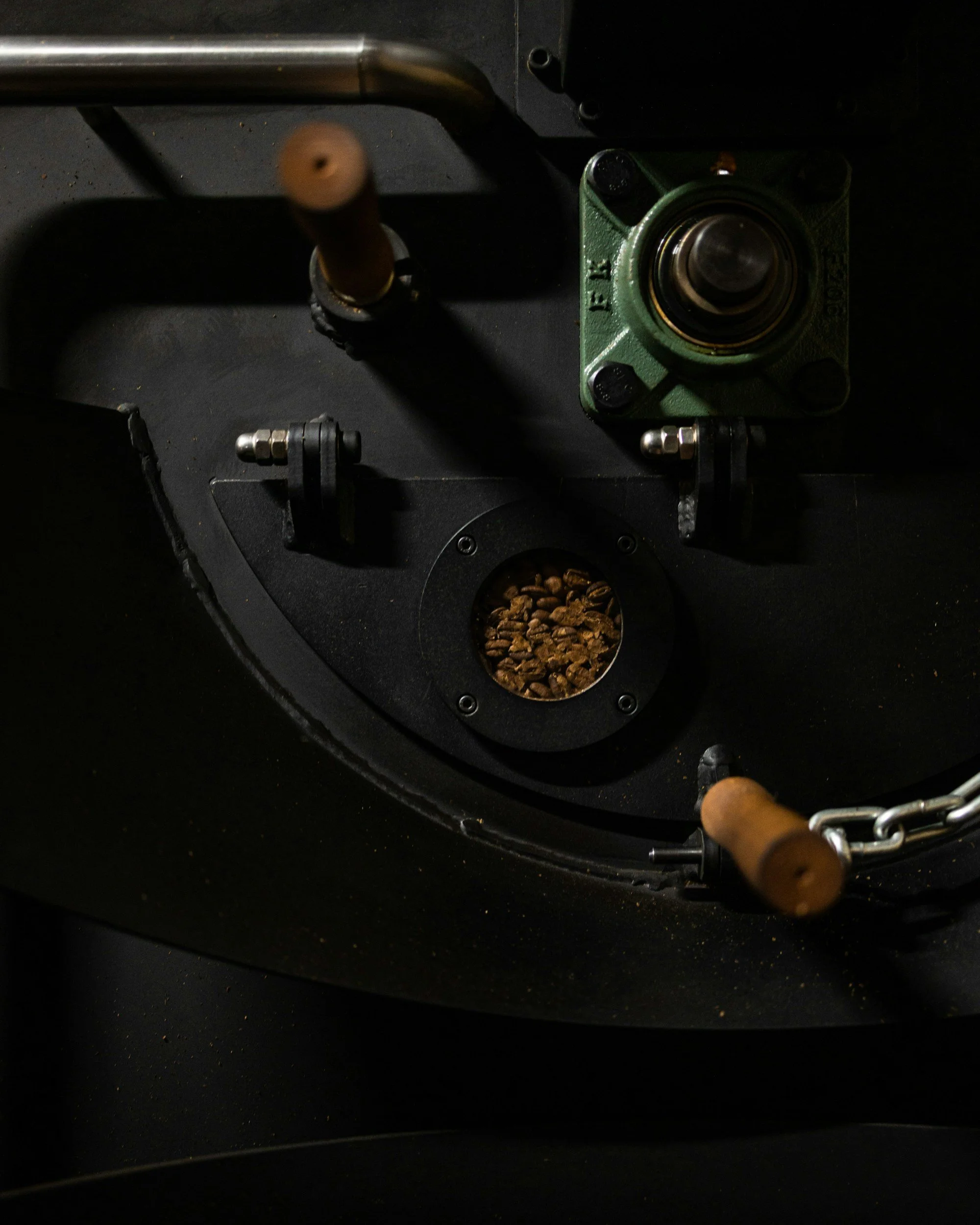
Roast level matters because it changes what you’re tasting.
Lighter roasts retain more of the coffee’s original character. You taste the bean, the process, and where it comes from.
As roasts get darker, the flavor of the roast itself starts to dominate. At a certain point, different coffees begin to taste the same. You’re tasting roast, not origin.
That’s why darker roasts are often used for lower-grade coffees. Roasting darker can hide defects and flatten differences.
There are exceptions, and preference matters. If you enjoy darker roasts, that’s valid.
Don’t be afraid to experiment. Taste across styles, processes, and roasts. What surprises you is often what teaches you the most.